Methadone Warnings: Important Safety Information

Google Preferred Source
Follow Premier Dream to see verified medications, guides, and pricing in your Google Search & AI results.
Essential methadone safety information: respiratory depression risk, QT prolongation, dangerous drug interactions, toxicity warning signs, and safe treatment practices.
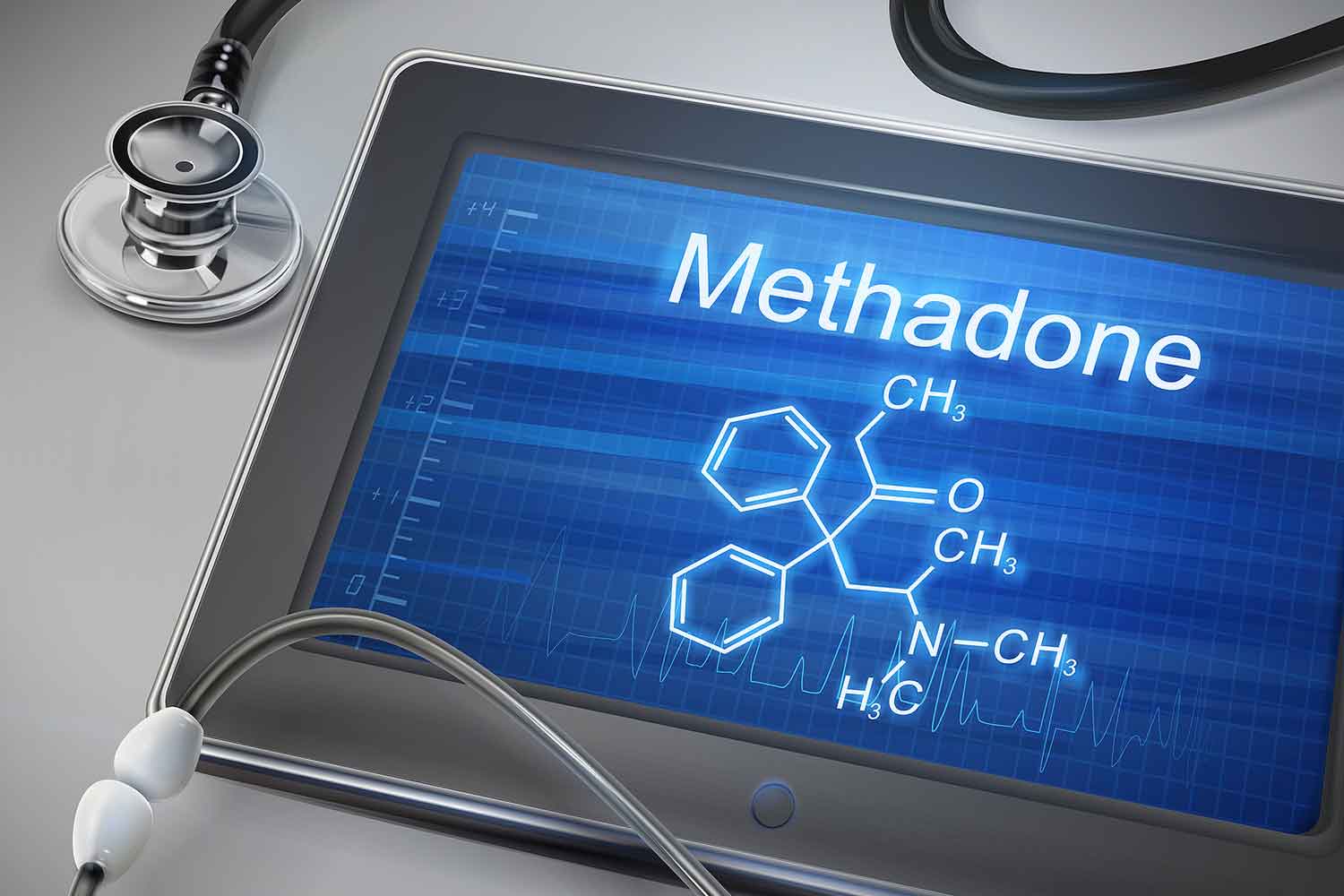
Methadone is a long-acting opioid agonist used clinically for two distinct purposes: treatment of opioid use disorder (medication-assisted treatment, or MAT) and management of severe chronic pain. It saves lives when used correctly, but it also has one of the most demanding risk profiles of any prescription opioid. This guide summarizes the key safety information every patient and caregiver should know.
Why Methadone Requires Special Care
Unlike shorter-acting opioids, methadone accumulates in the body. Its pain-relieving effect lasts 4 to 8 hours, yet its half-life — the time it takes blood levels to fall by half — ranges from roughly 8 to 59 hours. This mismatch means patients who feel the analgesia wearing off may "re-dose," stacking drug that is still being absorbed. Respiratory depression from methadone can also be delayed and prolonged, and deaths have occurred during the first weeks of therapy and after dose increases.
Key Warnings
- Respiratory depression and overdose risk. Start low, go slow, and never increase the dose without medical instruction. Initial supervised doses are standard in MAT settings.
- QT interval prolongation. Methadone can affect the heart''s electrical rhythm, in rare cases causing torsades de pointes. Patients with heart disease, long QT syndrome, or electrolyte abnormalities may need an ECG before and during treatment.
- Dangerous drug interactions. Benzodiazepines, sedatives, alcohol, and some antidepressants increase the risk of fatal respiratory depression. Certain antivirals and antifungals (for example, some SSRIs, HIV protease inhibitors, and azole antifungals) raise methadone blood levels by inhibiting CYP3A4 metabolism.
- Life-threatening withdrawal if dosed too soon. Methadone must not be substituted on a fixed schedule without individualized titration; converting from another opioid requires a professional conversion protocol.
- Pregnancy considerations. Methadone is an accepted treatment for opioid-dependent pregnant patients, but neonatal withdrawal (neonatal abstinence syndrome) is possible and newborns must be monitored.
- Certain conditions need closer monitoring: severe liver or kidney disease, significant respiratory disease (including sleep apnea), seizures, and a history of alcohol or sedative misuse.
Signs of Methadone Toxicity
Get emergency help if you observe slow or shallow breathing, loud snoring or gasping during sleep, extreme sedation, confusion, fainting, or an irregular heartbeat. Because toxicity can appear hours after dosing — particularly early in treatment or after a dose change — a person who seems "more sedated than usual" should never be left alone.
Narcan and Overdose Response
Naloxone reverses methadone overdoses, but because methadone lasts longer than naloxone, comprehensive treatment guidance emphasizes that first responders and caregivers are trained to administer naloxone and call emergency services immediately, and that rescue doses must be repeated per medical protocol rather than assumed to be complete. Patients in MAT should be supplied with naloxone and trained in its use.
Methadone Treatment Safety Practices
- Maintain consistent dosing exactly as prescribed, typically under direct observation at an accredited clinic.
- Attend scheduled reviews where induction, titration, and long-term progress are monitored by clinicians.
- Disclose all medications and supplements — including over-the-counter sleep aids — before filling any prescription.
- Avoid alcohol and benzodiazepines unless a physician who knows your methadone therapy has specifically approved them.
- Carry naloxone and make sure family members know where it is and how to use it.
- Report side effects early, including palpitations, dizziness, new sedation, or constipation that becomes severe.
Getting Prescriptions Safely
Methadone for opioid use disorder is dispensed only through certified treatment programs, and pain-relief prescriptions must come from a licensed prescriber and a licensed pharmacy. Never buy methadone or any controlled opioid from unverified online sellers — counterfeit pills containing fentanyl are common and are a leading cause of overdose deaths. If you use an online pharmacy, confirm it is licensed, requires a valid prescription, and lists a verifiable physical address and pharmacist contact.
When Methadone May Not Be the Right Fit
Discuss alternatives with your clinician if you have significant heart rhythm disease, uncontrolled breathing problems, or a history of serious reactions to opioids. Buprenorphine (Suboxone), naltrexone (Vivitrol), and structured behavioral treatment are proven options for opioid use disorder, and many patients transition between these approaches over time as their needs change.
Michael Turner
Wellness Writer
Keep reading